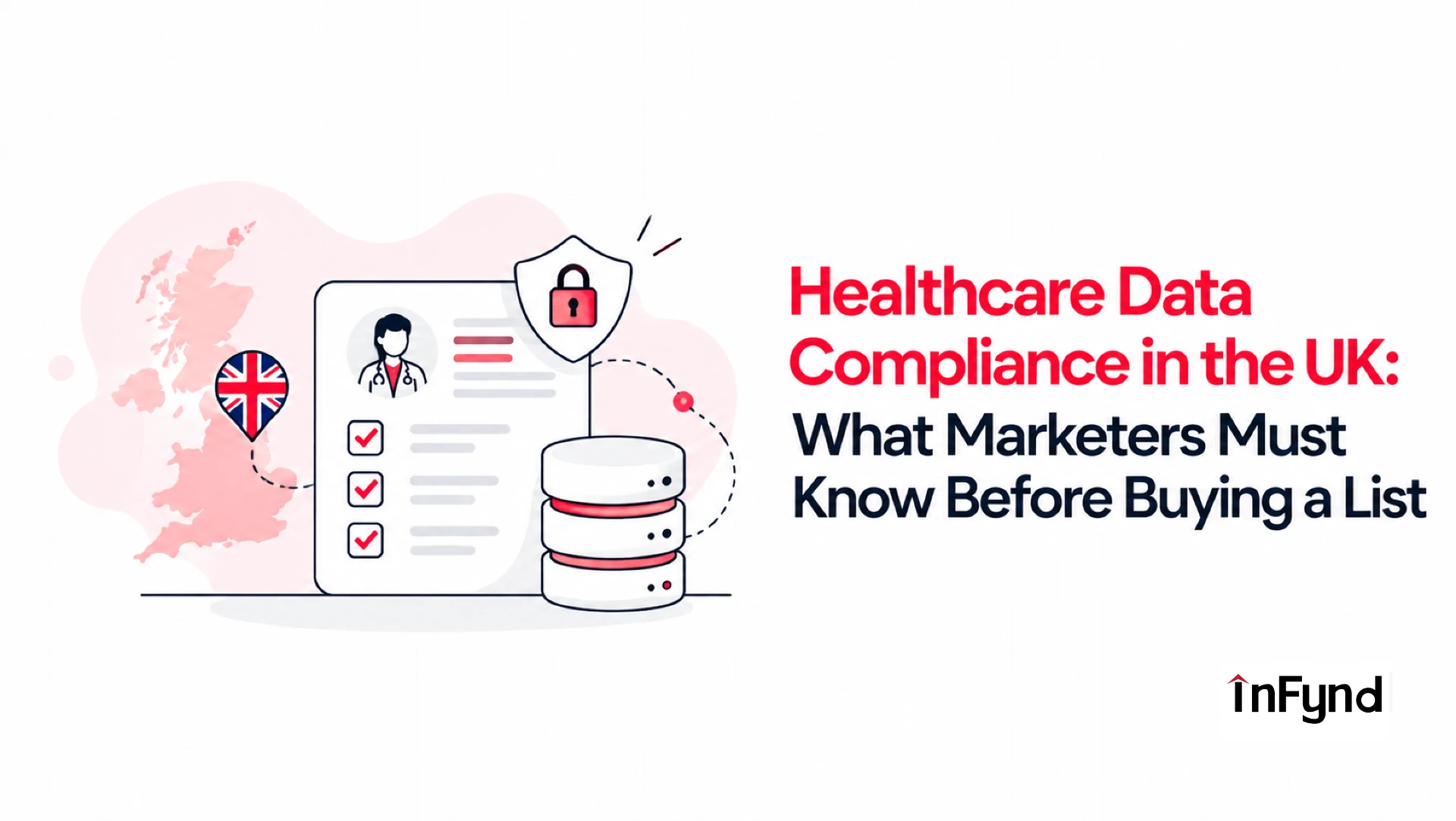
Healthcare marketing carries a risk most B2B campaigns don't. The people on your list aren't just contacts, they're healthcare professionals bound by clinical responsibilities, and the data protecting them is governed by some of the strictest rules in the UK. Before you buy a single email list, there are a few things worth getting right.
Why Healthcare Data Needs Special Handling
General B2B contact data and healthcare data aren't the same thing. A standard contact database might include a job title and a company name. Healthcare data often includes clinical specialty, practice setting, and professional registration details, information that's far more sensitive and far more regulated. Treating it like a generic list is how campaigns end up non compliant before they even launch.
GDPR and Why It Matters More in Healthcare
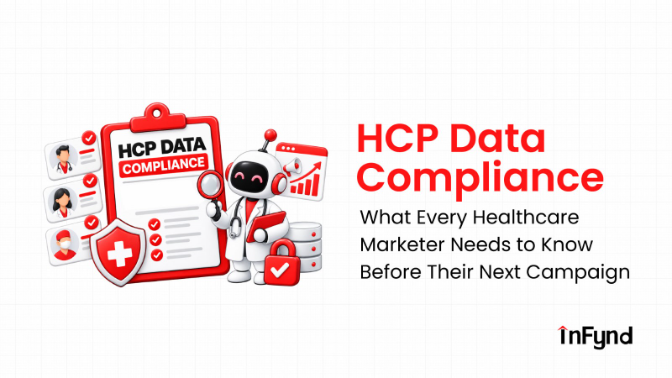
Any UK marketer working with patient adjacent or clinician data needs to be fully GDPR compliant, with particular attention to lawful basis for processing and data minimization. This isn't optional paperwork. Regulators treat healthcare data as a higher risk category, and a GDPR compliant provider should be able to show you exactly how their data was sourced and consented, not just promise compliance after the fact. InFynd's GDPR commitments outline exactly how this is handled across every dataset.
What "Verified" Should Actually Mean for HCP Data
Not all healthcare professional databases are built the same. A genuinely verified HCP database means contacts are checked against current practice records, not pulled once and resold for years. Outdated HCP contact data doesn't just waste budget, it risks sending clinical messaging to professionals who've changed roles, specialties, or left practice entirely, which damages credibility fast.
Specialty Targeting Matters More Than Volume
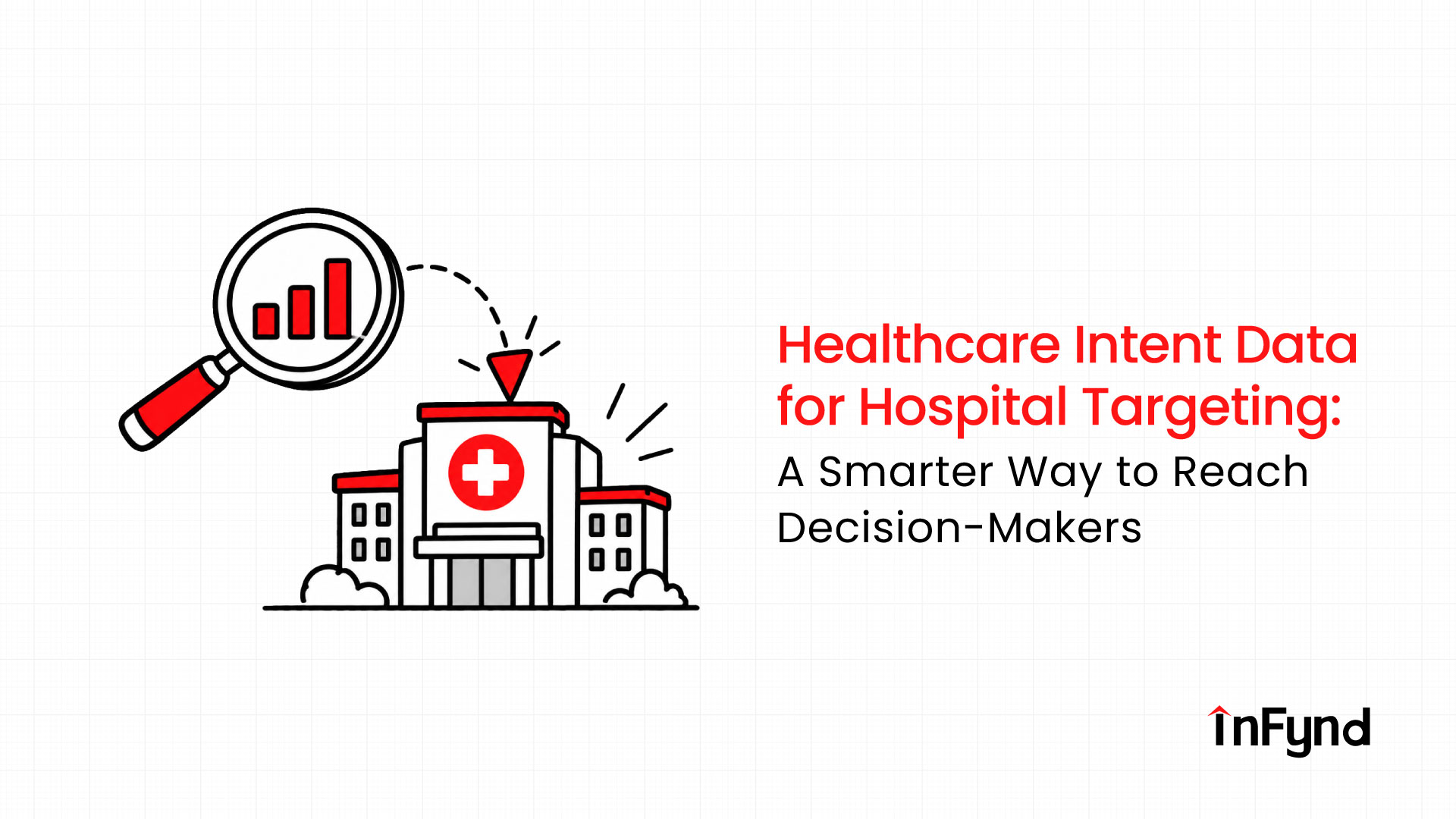
A healthcare email list that isn't segmented by specialty is close to useless for most campaigns. A cardiologist and a general practitioner respond to completely different messaging. Strong healthcare intelligence platforms let you filter by specialty, practice setting, and seniority, so you're reaching the right decision makers within a hospital or clinic, not just anyone with a medical job title. InFynd's Healthcare Intelligence platform covers 3.1M+ verified healthcare professionals, hospitals, and clinics with this level of specialty detail built in.
Standard Lists vs Custom Build Options
Off the shelf healthcare lists are rarely a precise fit. A custom build approach lets you define exactly which specialties, regions, and practice types you need, instead of filtering down from a generic export after the fact. This matters even more in healthcare, where custom data solutions can be shaped around a specific clinical audience rather than a broad medical category. Sector specific builds like this sit alongside InFynd's wider industry data offering, which applies the same precision across 195+ sectors.
A Quick Checklist Before You Buy
• Is the provider fully GDPR and UK GDPR compliant, with documented consent sourcing?
• Is the contact data verified recently, not just collected once?
• Can you filter by specialty and role, not just "healthcare" as a blanket category?
• Does the provider offer a custom build option if your target audience is narrow?
• Can the data integrate directly into your existing CRM and campaign tools?
Conclusion
Healthcare campaigns fail less often because of weak messaging and more often because of weak data. A list full of outdated titles, wrong specialties, or non compliant sourcing undermines everything built on top of it. This is where InFynd Healthcare stands apart. InFynd gives UK marketers access to a verified contact database of healthcare professionals, built on a fully GDPR compliant foundation, with specialty level filtering and custom build options for narrower clinical audiences. Instead of a generic list, you get a healthcare intelligence platform designed to reach real decision makers accurately and compliantly, campaign after campaign.
FAQ
1. Is buying a healthcare email list in the UK legal?
Yes, provided the provider is GDPR compliant and can demonstrate a lawful basis for processing the contact data, including how consent or legitimate interest was established.
2. What's the difference between a general B2B list and HCP contact data?
HCP contact data includes clinical specialty, practice setting, and professional registration details specific to healthcare professionals, which general B2B contact databases typically don't capture.
3. How often should healthcare data be verified?
Ideally every few months, since healthcare professionals change roles, specialties, and practice locations more frequently than many buyers assume.
4. Can I get a custom build healthcare list instead of a standard one?
Yes. Many providers, including InFynd, offer custom build options so you can target specific specialties, regions, or practice types rather than working from a generic export.
5. Why does specialty segmentation matter for healthcare marketing?
Decision makers in different specialties respond to different messaging entirely. Without specialty segmentation, campaigns risk being too generic to engage the right healthcare professionals.